
While we have spent plenty of time discussing the high-tech failures of the Cold War and the “toddler” logic of modern AI, the history of the UK’s 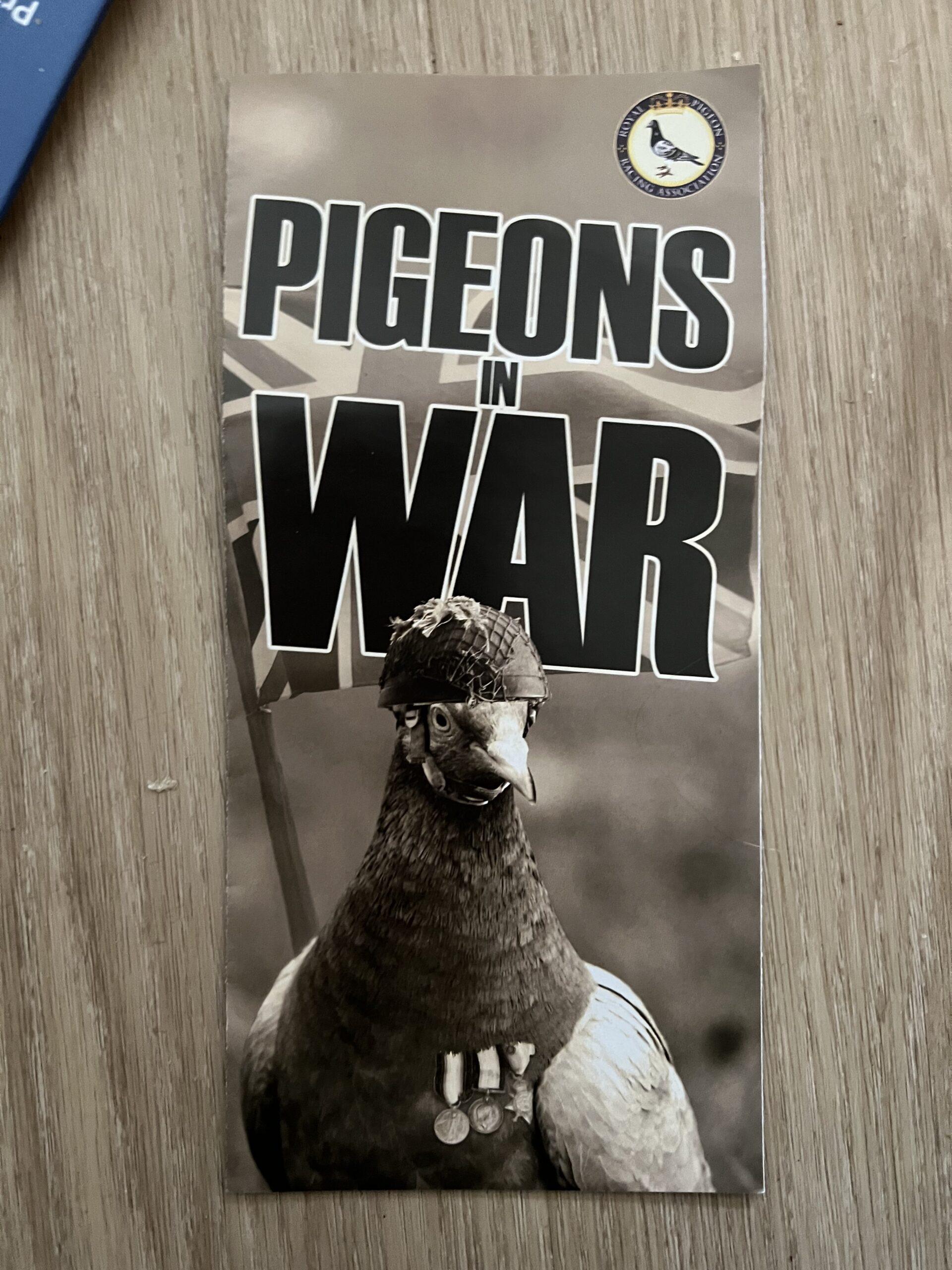
#TalesFromTheGrid is about not just one thing at this point. It started as a surreal thought experiment regarding absurdity (AI, algorithms, technology, or rodents who accidentally went to medical school.
Born in that weird, vulnerable moment between being awake and asleep, this set of texts explores dream logic, surrealism, and the absurd. But sometimes, this series features #MoreTrueFacts, which are very real stories about actual recorded human history—like the time we parachuted beavers into Idaho. Welcome to the facts, folks!
#MoreTrueFacts: The Winged Heroes of WW2’s “Station X”
“God-Keys”: What was Bletchley Park?
Bletchley Park, located in Buckinghamshire, England, was the central site for British codebreaking during WWII, known by the cover name Station X. It was the headquarters of the UK’s Government Code and Cypher School (GC&CS).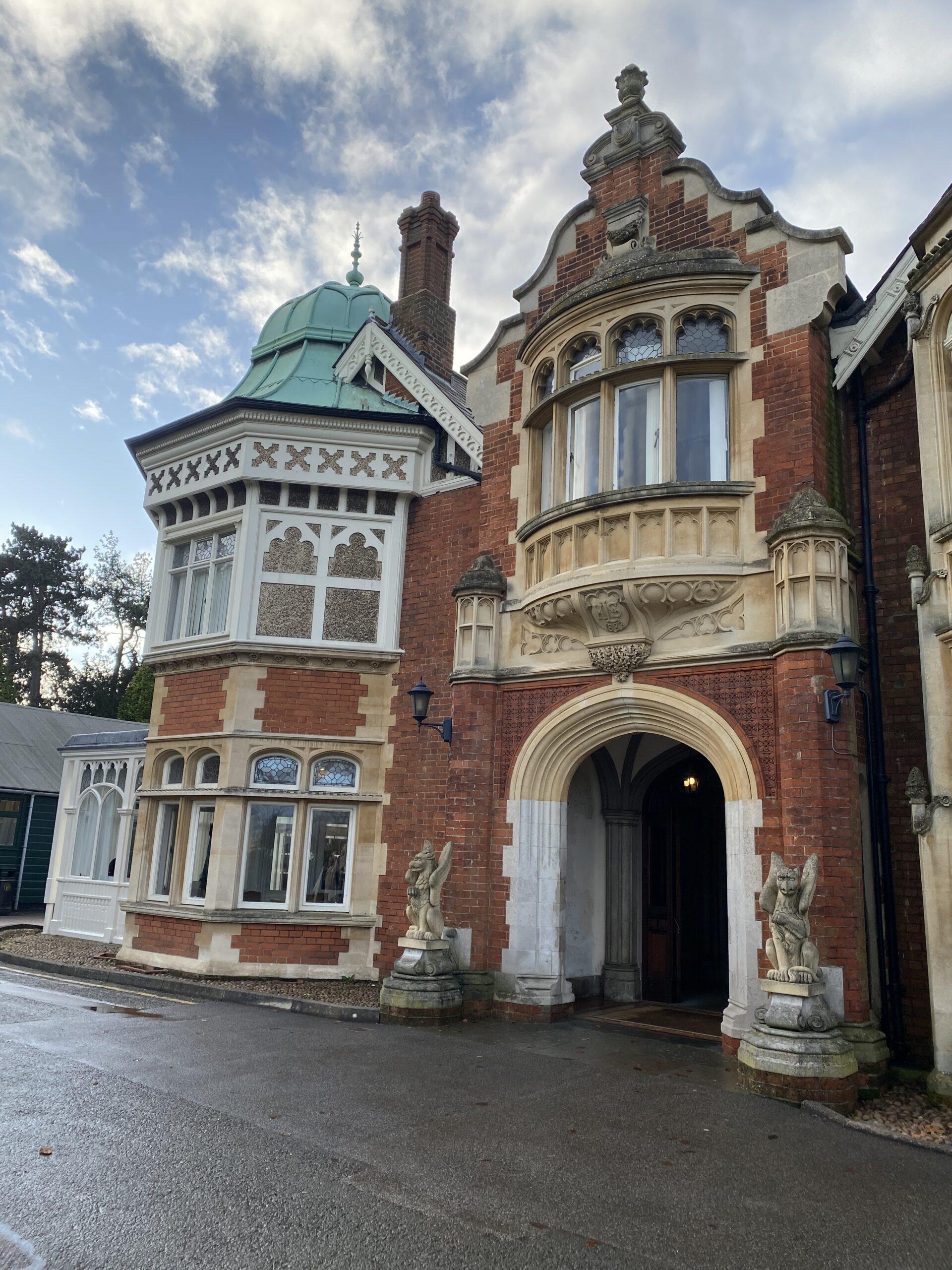
• The Mission: Thousands of analysts (including the Wrens—Women’s Royal Naval Service) worked in cramped wooden huts to intercept and decrypt enemy communications.
• The Breakthroughs: This is where Alan Turing and Gordon Welchman developed the Bombe, an electromechanical device used to decipher the German Enigma machine. Later, the Colossus—the world’s first programmable digital electronic computer—was built here to crack the even more complex Lorenz cipher.
• The Impact: Historians estimate the work at Bletchley shortened the war by at least two years and saved millions of lives. It was the absolute peak of “High-Tech” Chapter 2 ingenuity.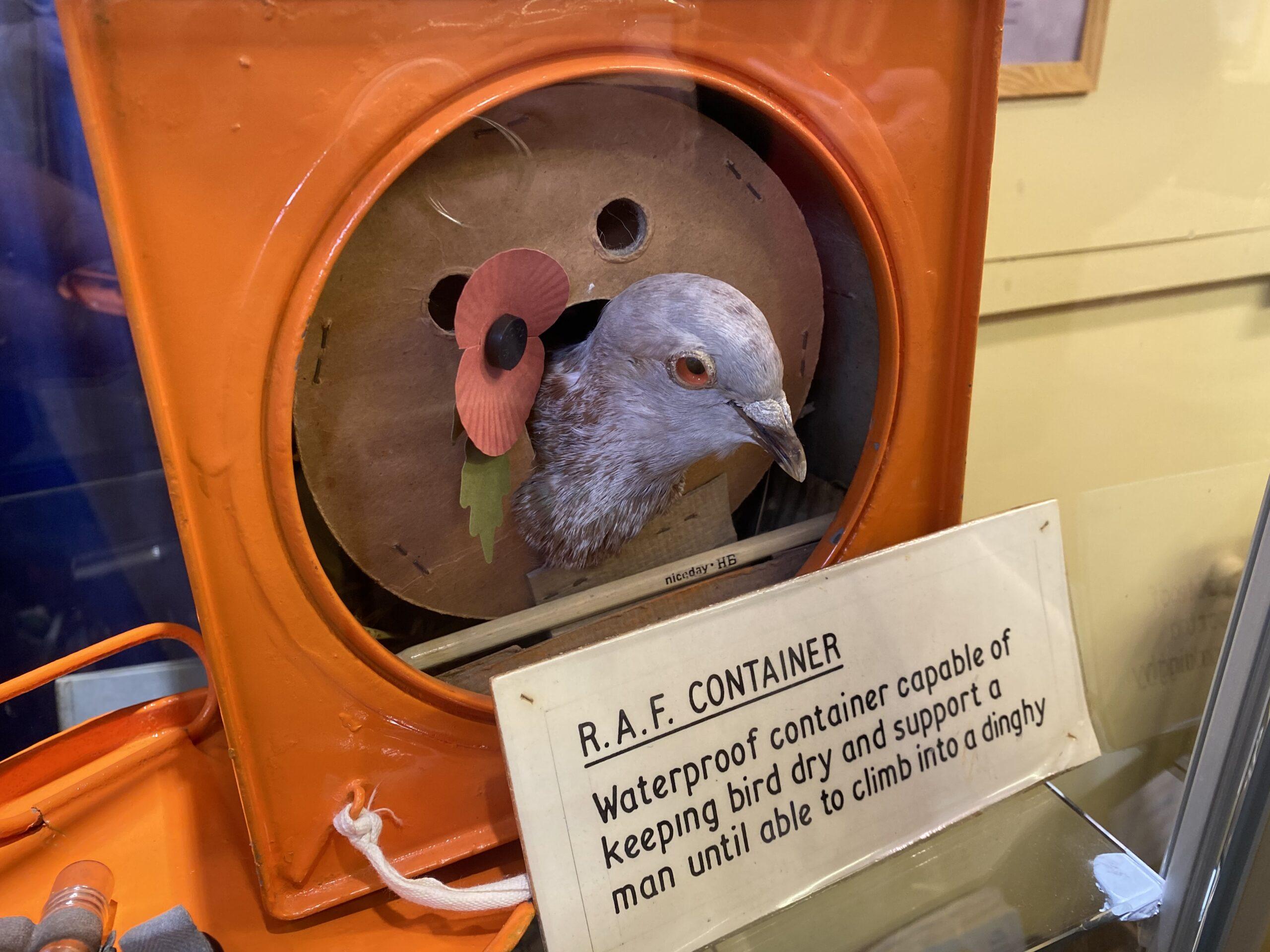
The Unhackable Protocol: Why Bletchley Needed Pigeons
Despite the “God-Keys” of the German Enigma machine, the British realized that their radio signals were easy to intercept and their landlines were fragile. They needed a communication protocol that required no electricity and could find its way home through a smoke-filled battlefield. They turned to the National Pigeon Service, deploying over 250,000 birds. 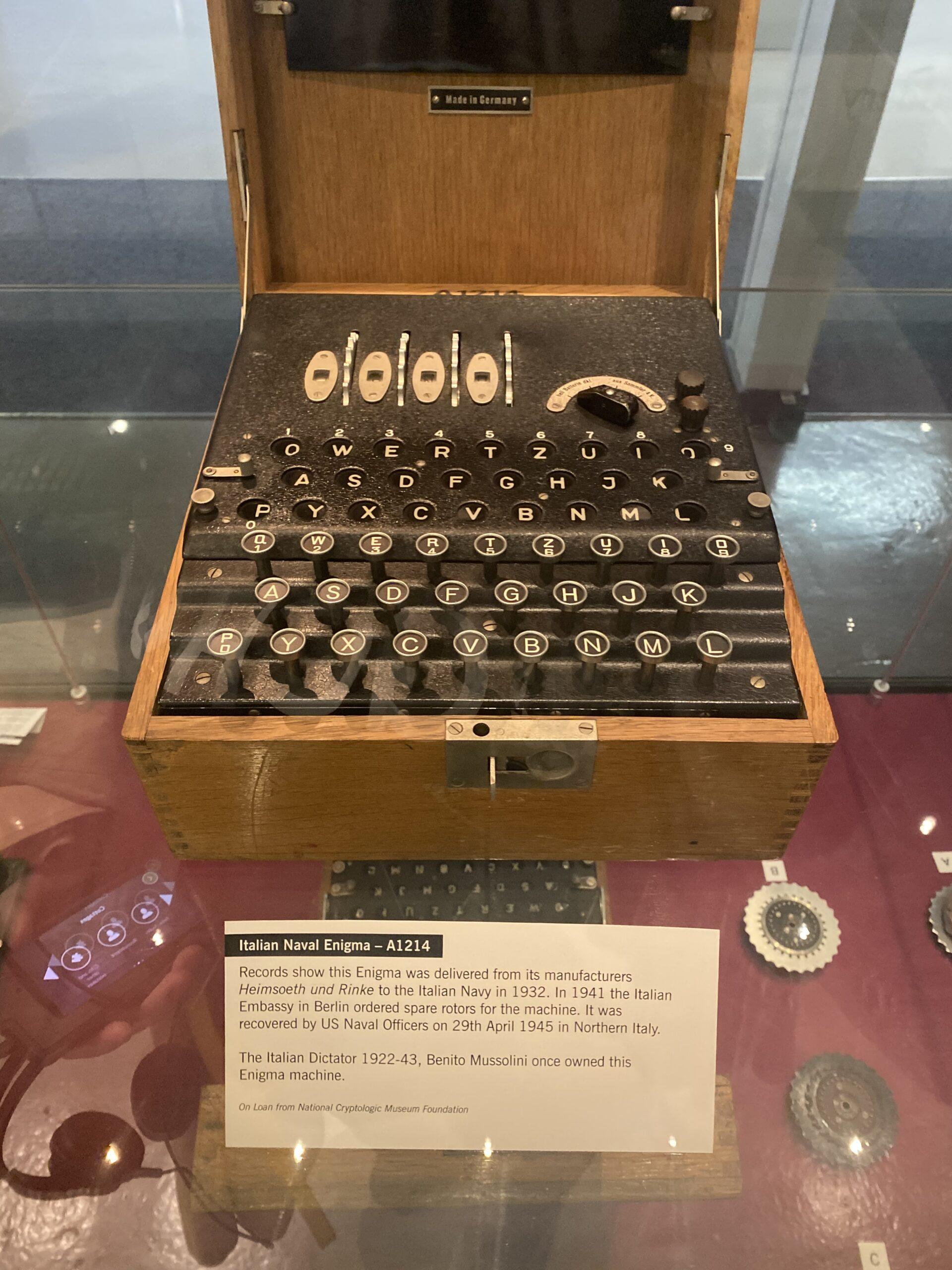
Bletchley Park actually maintained its own pigeon loft. The logic was pure LOtL (Living off the Land): if the Nazis successfully bombed the telegraph lines or jammed radio frequencies, the only way for critical intelligence to reach the front lines was via a bird’s leg.
Operation Columba: The “Biological Drop”
In a survival strategy that mirrors the “smuggling” tactics of the Havanese diaspora, the British dropped over 16,000 pigeons in small, perforated containers over occupied Europe via parachute.
• The Parallel: Just as Havanese were hidden in hand luggage and tucked under heavy coats to escape revolution, these pigeons were treated as “essential cargo” for the resistance. 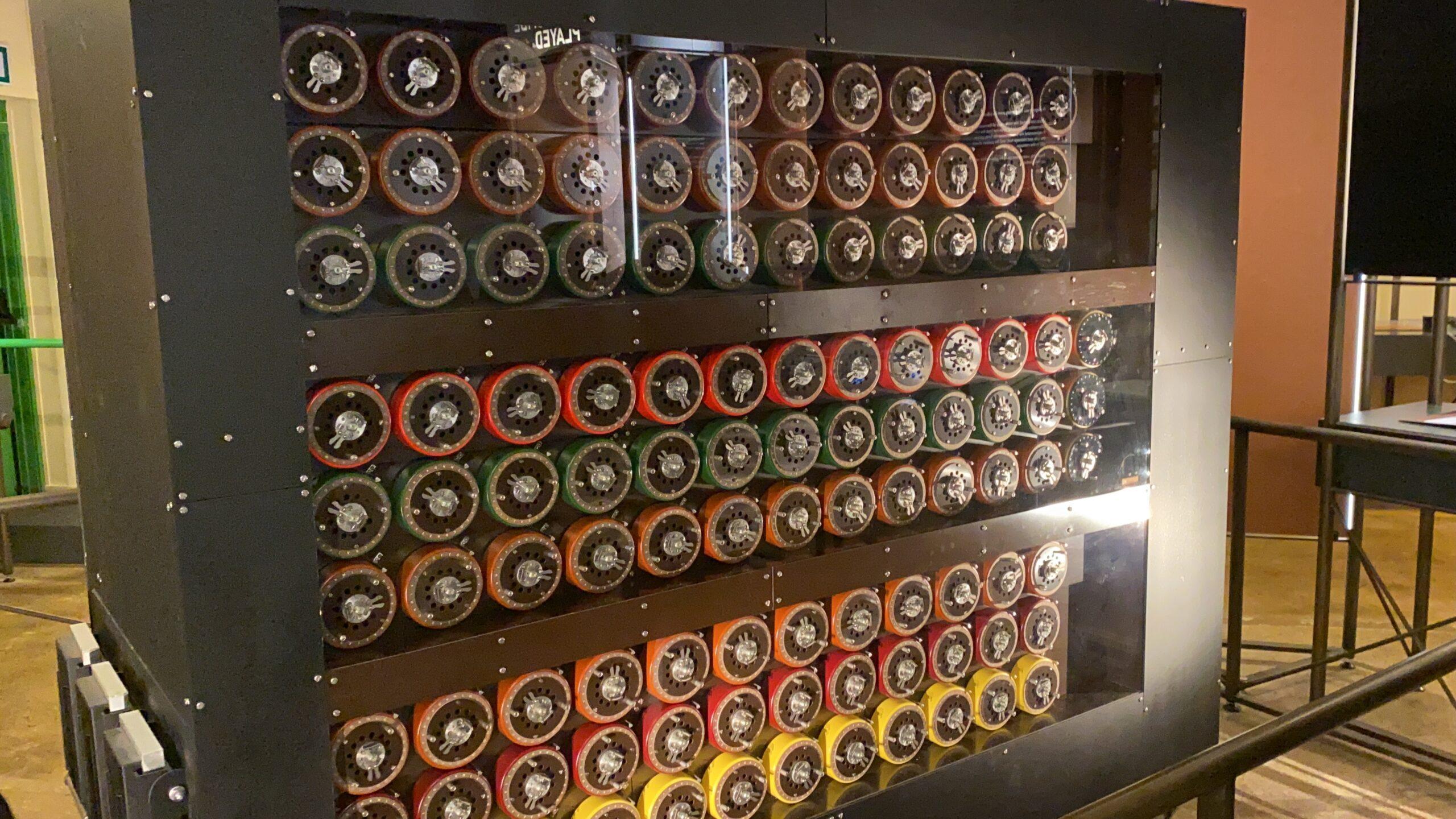
• The Mission: Resistance fighters would find the birds, tuck a “Reprompt” (a handwritten intelligence report) into a tiny canister on the bird’s leg, and release them.
• The Result: About 10% of these birds navigated hundreds of miles of enemy territory and crossed the English Channel to deliver data packets directly to British intelligence.
The Dickin Medal (The Victoria Cross for Animals)
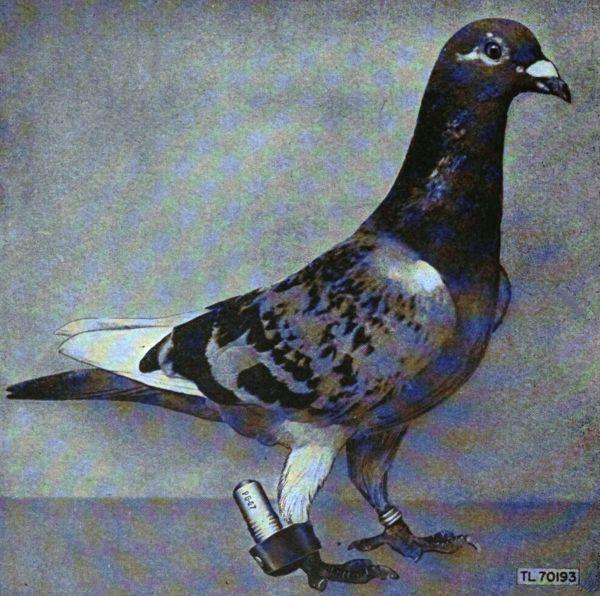
The contributions of these birds were so critical that they dominate the history of the Dickin Medal. Out of 71 medals awarded to date, 32 have gone to pigeons.
* G.I. Joe: A pigeon that saved over 1,000 British soldiers in Italy by delivering a “Stop Bombing” message just 5 minutes before Allied planes were scheduled to strike the village where the soldiers had just arrived.
* Mary of Exeter: A bird that survived three separate attacks by Nazi hawks and required 22 stitches after being wounded by shrapnel. She never missed a delivery.:
