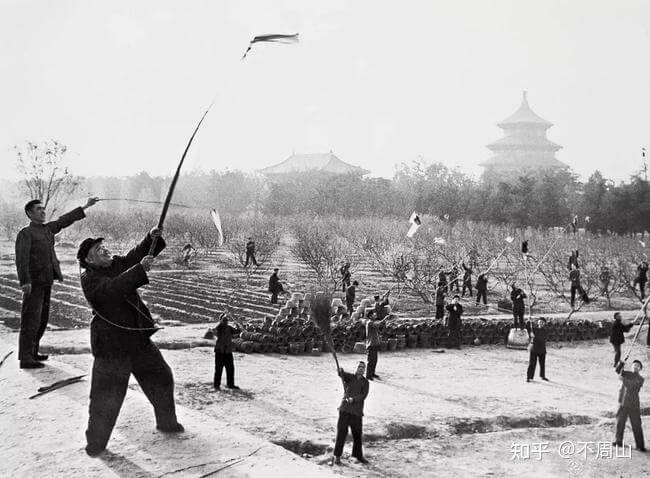
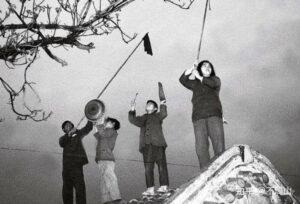
In 1958, Mao declared war on sparrows for eating grain. Citizens banged pots until the birds died of exhaustion from flying. With the sparrows gone, locusts surged and ate everything else. It was an ecological “oops” that helped trigger a catastrophic famine.
#TalesFromTheGrid is about not just one thing at this point. It started as a surreal thought experiment regarding absurdity (AI, algorithms, technology, rodents who accidentally went to medical school, and ruthless cats).
Born in that weird, vulnerable moment between being awake and asleep, this set of texts explores dream logic, surrealism, and the absurd.
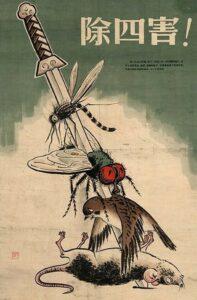
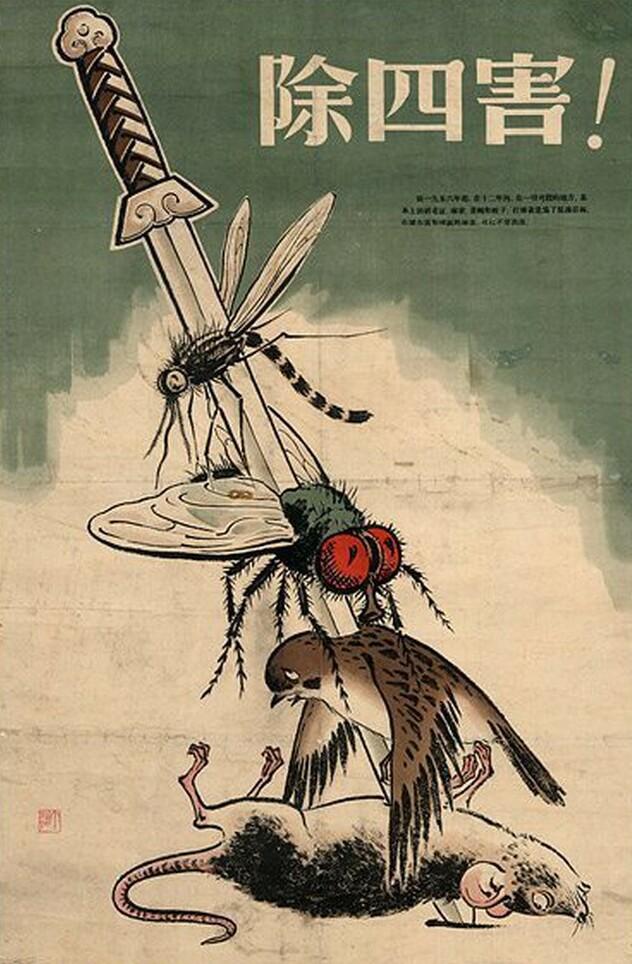
In 1958, as part of the “Great Leap Forward,” the Chinese government identified four “pests” that were hindering progress: rats, flies, mosquitoes, and sparrows.
One sparrow eats approximately 4.5kg of grain per year.
If you kill 1 million sparrows, you save enough food to feed 60,000 humans.
Therefore, total extermination = maximum food security.
Scientists who pointed out that “sparrows also eat bugs” were labeled as counter-revolutionary alarmists. The government decided to delete the “Sparrow” file from the country’s operating system.
The Tactics (Total War)
This wasn’t just a hunting trip; it was a mobilized national effort involving hundreds of millions of people. The strategy was exhaustion warfare.
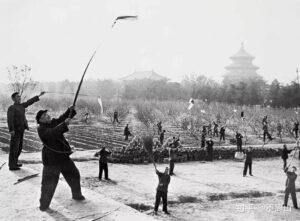
The Noise Attack: On designated days, citizens took to the streets, rooftops, and hills with pots, pans, drums, and gongs. They created a deafening wall of noise that prevented sparrows from landing. The birds were forced to fly until they literally dropped dead from exhaustion or heart failure.
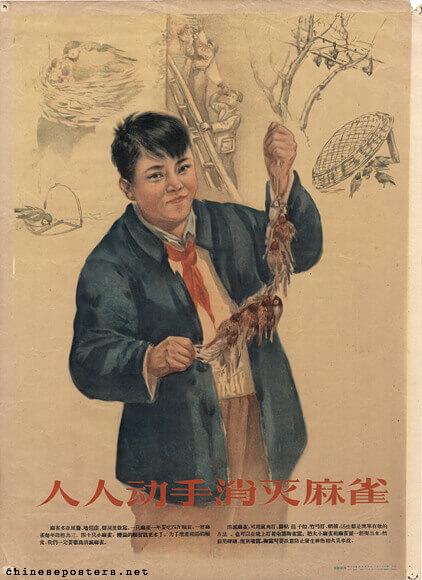
The “Ground Game”: Nests were torn down, eggs were smashed, and chicks were killed.
The Stats: It is estimated that hundreds of millions (some sources say nearly a billion) sparrows were killed. The Shanghai populace alone killed over 1.3 million sparrows in just two days in April 1958.
The Ecological “Kernel Panic”
By 1959, the sparrow population was effectively zero. The harvest that year should have been record-breaking. Instead, it was a disaster.
The government had forgotten that the Eurasian Tree Sparrow is the primary predator of the locust and other crop-eating insects.
With the “air defense” system (sparrows) removed, the insect population exploded.
Locust swarms blanketed the fields, devouring the crops that the sparrows were supposed to be “stealing.”
The ecological imbalance contributed significantly to the Great Chinese Famine, which resulted in tens of millions of deaths.
The “Hotfix”
In April 1960, the government realized its error. In a panic, they scrubbed “Sparrows” from the Four Pests list and replaced them with bed bugs.
But the damage was done. The ecosystem couldn’t reboot fast enough. In a surreal twist of irony, the Chinese government—which had just spent years demonizing the sparrow—eventually had to import 250,000 sparrows from the Soviet Union to repopulate the country and fight the locusts.
It remains one of the only times in history a government has declared war on a bird, won the war, and then immediately lost the peace.