
In 2015, a New Zealand aquarium trained Rambo, an octopus, to be a professional photographer. For $2, she’d press a shutter button whenever a tourist posed. It’s the ultimate career pivot: from elusive cephalopod to a commercial artist who works for snacks.
#TalesFromTheGrid is about not just one thing at this point. It started as a surreal thought experiment regarding absurdity (AI, algorithms, technology, rodents who accidentally went to medical school, and ruthless cats).
Born in that weird, vulnerable moment between being awake and asleep, this set of texts explores dream logic, surrealism, and the absurd. And Sometimes, this series features very real stories about actual recorded human history—like the time we parachuted beavers into Idaho in the series known as #MoreTrueFacts. Welcome to the facts, folks!
The Cephalopod Shutterbug
The Strategic Landscape
In 2015, Sony engineers decided to test the “intuitive” nature of their EasyShot camera technology. Rather than handing it to a human child or an elderly relative, they chose Rambo, a female common octopus at the Sea Life Aquarium in Auckland.
The goal was to see if a non-human entity could navigate a human-designed interface to achieve a commercial result.
The Weaponry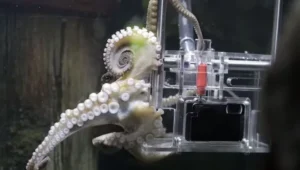
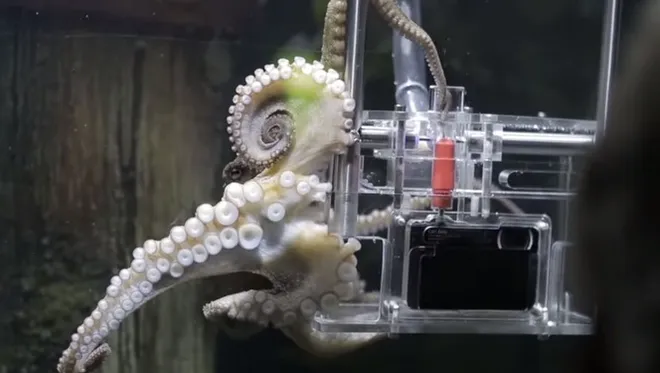
Sony didn’t just toss a camera into the tank. They built a custom, underwater housing for a Cyber-shot camera. This “rig” featured a massive, bright-red shutter lever designed to be grasped and pulled by a tentacle. It was, essentially, a specialized tool for a specialized predator.
The Conflict (The Training)
The “War of Information” was surprisingly short.
-
Session 1: Rambo investigated the strange red lever.
-
Session 2: She realized that pulling the lever caused a bright flash and a mechanical “click.”
-
Session 3: She understood the final variable: if a human was standing on the other side of the glass when she pulled the lever, she got a reward.
It took Rambo exactly three sessions to master the device. For context, it often takes humans longer to find the “Scan to PDF” function on a standard office printer.
The Commercialization
Once the “code” was cracked, the aquarium operationalized Rambo. They turned her tank into a professional photography studio.
-
The Fee: Tourists would stand in front of the glass and donate $2 to the aquarium’s conservation programs.
-
The Session: Rambo would wait until the tourist was correctly framed.
-
The Shot: She would pull the red lever, capture the portrait, and the photo would be printed for the customer.
Rambo was no longer just a resident; she was a freelance contractor.
She reportedly became so professional that she would occasionally ignore people who weren’t standing in the correct spot, effectively acting as her own director of photography.
The Biology of the “Hack”
The reason Rambo won this “war” so quickly lies in her hardware. Unlike humans, who have a centralized brain, an octopus has distributed intelligence. Two-thirds of an octopus’s neurons are located in its arms.
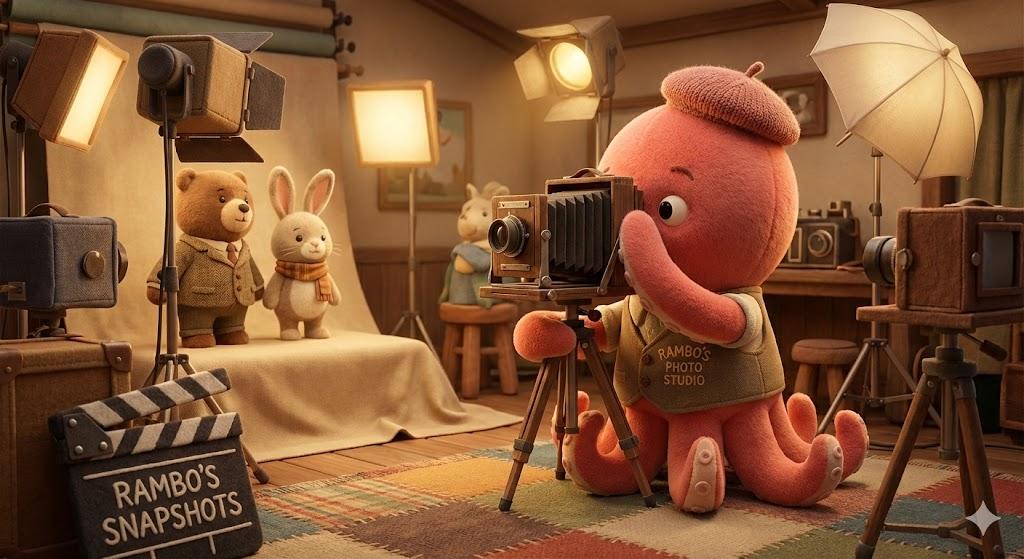
When Rambo reached for the red lever, she wasn’t just “moving her hand.” Her arm was acting as an independent processing unit with its own sense of touch and spatial awareness. She didn’t have to “think” about taking the photo; her arm handled the interface while her central brain focused on the reward.
References for this True Fact:
https://www.sciencealert.com/watch-an-octopus-in-new-zealand-is-taking-photos-of-its-visitors
